Exploring how Kerala blends nature, culture, and industry to shape future tourism professionals
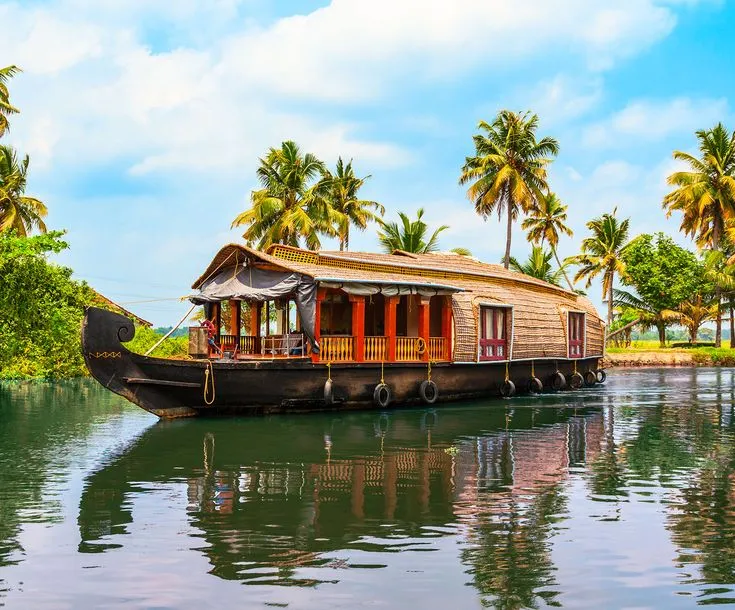
Kerala, also known as God’s own country, is a state well known for its culture and high Human Development Index. However, one of the reasons why it’s called god’s Own Country is not a hidden story but rather evident. We have seen the beauty of the Alleppey backwaters in the Jiya jale song and the lush greenery of several hill stations. Despite this positive image in the tourism market, Kerala now seems to be transforming into a hub for travel and tourism courses in the entire country.
Understanding this is not just knowing about the transformation of a state from nature’s beauty to a tourist hub, but a hidden opportunity that draws a perfect balance between work and life.
Kerala: God’s own land
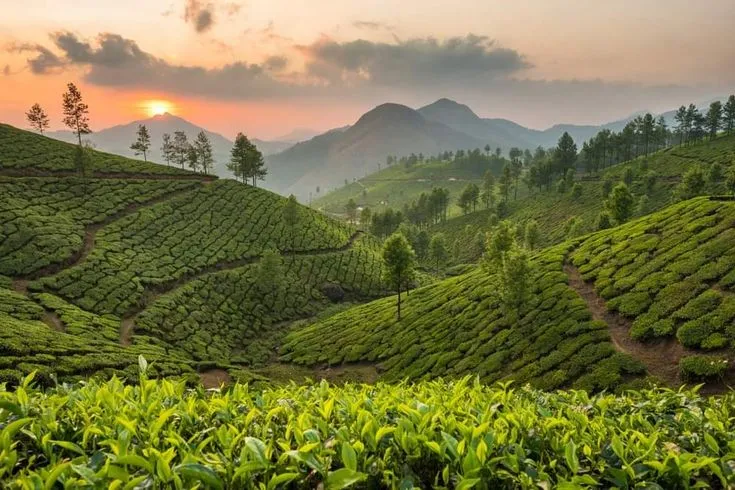
Nature is in its best version with a diverse range of topography and weather conditions all across the state of Kerala. It has the serene backwaters in Alleppey on one side, with tea-covered hill stations of Munnar, or the waves of the Arabian Sea crashing against the coast of Kochi, which is decorated with beautiful streets that are totally Instagrammable. All these offer a space and an open culture for exploration and recreational activities specific to them.
These characteristic features enable Kerala to become the first choice for tourism and holidays that provide us a break from our mundane continental.
Hospitality is a culture:
Our Indian culture is known for treating guests equal to God themselves; however, this takes one step ahead in Kerala with a strong provision of on-ground training through a practical approach. Individuals interested in pursuing courses or gaining hands-on experience to start their own venture choose Kerala for this particular reason. Places such as Kochi, Thiruvananthapuram, and Kozhikode have a dense distribution of hotels, resorts, homestays, cruise operations, and travel companies.
The culture in the state is very open to people exploring and aiming for new experiences, enabling it to be every beginner’s preferred choice for learning.
Experience tourism capital
There is a widely popular statement amongst the Malayali speakers- “A person from north of Kerala cannot understand the language spoken by somebody from south of Kerala the curious aspect is that both individuals’ mother tongue is Malayalam.
This highlights the diversity that is evident within the state. Kerala’s cultural diversity and history are unique aspects of India; however, what sets it apart is the inclusive culture and practices.
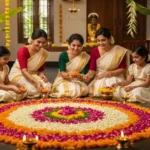
Onam, a festival that has its origins in Hindu mythology and traditions, and is no longer restricted to the boundaries of religion, is focused on the moral and ethical practices that can be imbibed irrespective of social standing.
This is just one among several interesting aspects of the state.
Ayurveda and wellness tourism:
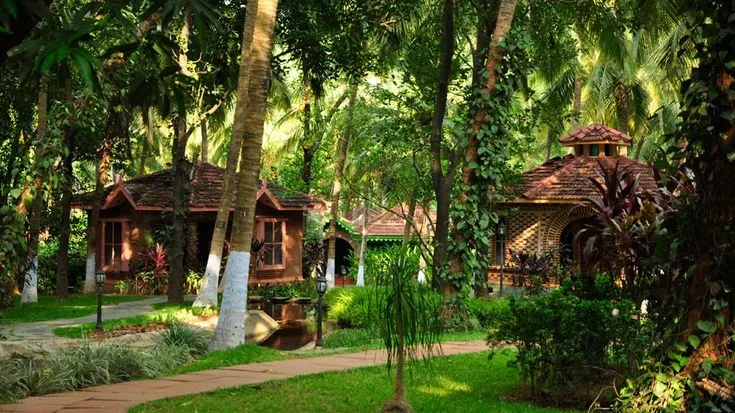
Kerala has a speciality in Ayurveda and wellness practices, with its outreach limited not just in India but across the globe. Due to its humid and suitable climate, it is ideal for cultivating medicinal plants for Ayurvedic practices.
Backwater cruises:
The serene backwater view amidst greenery can only be experienced in one place, that is, Alleppey, Kerala. It is hospitality on water, which has a series of personal experiences that were beautiful beyond imagination.
Ecotourism:
Tourism often leads to severe consequences affecting nature and our environment, thereby affecting us as well. As Kerala has always been a state that focused on addressing the problem rather than expecting a solution, an ecotourism model was introduced.
Places such as Wayanad focus on traveling with responsibility. It provides monitored treks across its nature, mindful wildlife observation, and learning about experiences through locals. This is a unique feature that is absent in most of the tourism hubs across the globe. However, Kerala has made it a factor that cannot be unseen by anybody and emphasizes collective responsibility.
Culture and food tourism:
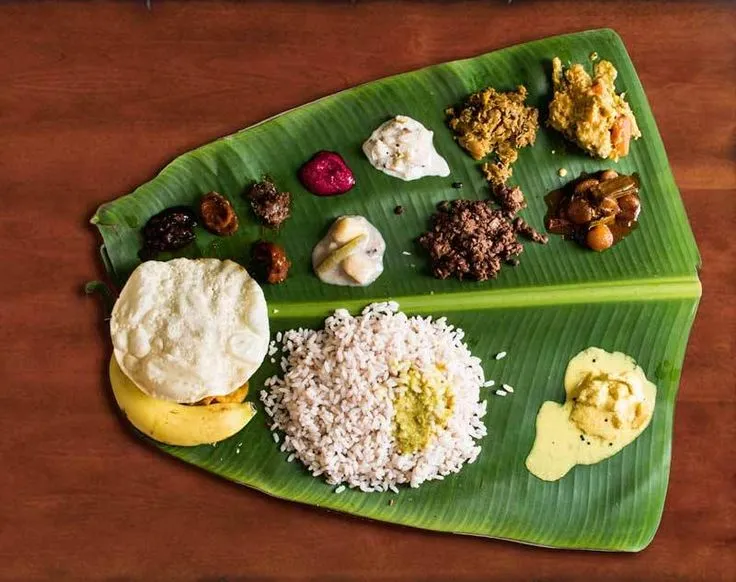
The traditional Sadhya and Malabar Biryani are just the start of a huge row of dishes that can be published as their own cookbook. Tourists in Kerala always reminisce about the sumptuous meals filled with flavours they realised.
Despite food being a huge part of culture, there is a great admiration for the traditional art forms that have originated and been practised in Kerala, like Kathakali and Theyyam. The temple festivals featuring music, processions, and performances are an event for curiosity and experience, which draw several tourists from all over the globe every year.
Quality institutes with industry linkage
Identifying the growing number of tourists, Kerala has aligned itself with the demands by focusing on infrastructure that often collaborates directly with hotels, airlines, and travel companies, creating a new model for implementation. This provides hands-on experiences for individuals who are investing themselves in courses associated with tourism.
Kerala’s Storytelling Advantage in Tourism –
Success is never having an advantage, but rather knowing how to utilise the advantage. Kerala is blessed with nature with mesmerizing beauty; however, it doesn’t exploit it, but rather narrates it as a beautiful tale mindfully. The image of Kerala is not just its advantage, but rather a story crafted with experience and system. Tourism is never about going places; it is about experiencing the soul of the place to discover new things.
conclusion :
Kerala is a well-structured and diverse tourism ecosystem where culture, nature, cuisine, wellness, and infrastructure function in a coordinated framework. It has succeeded in developing tourism as an integrated system rather than an individual industry, ensuring a balanced growth ranging across multiple sectors.
Cultural tourism acts as a key pillar, featuring traditional art forms such as Kathakali and Theyyam, alongside temple festivals specific to the region. The regional culinary practices reflect Kerala’s strong cultural identity, making food-based tourism an integral part of the tourist experience by enhancing it. Ecotourism in regions emphasizes environmental conservation, sustainable practices, and responsible travel, while Ayurveda-based wellness tourism positions Kerala as a global destination for holistic health experiences.
This is not a coincidence, but a result of direct focus on tourism infrastructure with an increase in demand. Cities like Kochi, Thiruvananthapuram, and Kozhikode provide international airports, transport connectivity, hospitality services, and cruise facilities that support smooth tourist movement and global accessibility, opening new possibilities.
Its approach highlights how tourism can be designed as a balanced system that supports economic growth while maintaining cultural integrity and sustainability. Today, Kerala is a space with infinite possibilities, inviting diversity and growth, making it welcoming towards tourism and its expanding practice, standing true to its tagline of God’s own country.