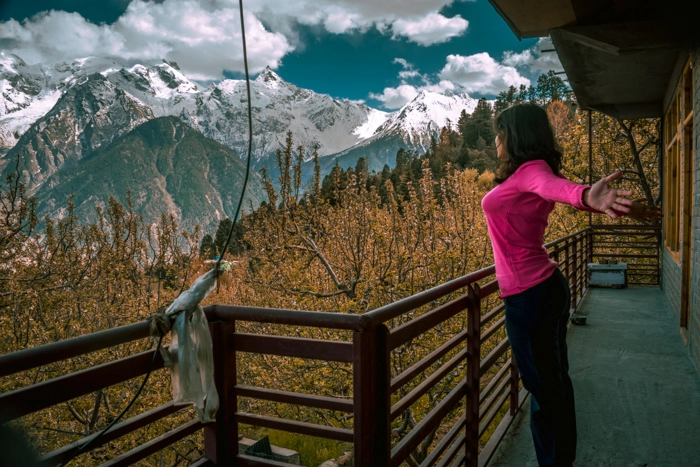
Some places murmur to you long before you arrive. Spiti Valley is one of them. This place is located in the high-altitude folds of Himachal Pradesh. Even this cold desert doesn’t shout for attention. You know? This place waits, quietly, until you’re ready to listen. Are you planning a trip to this place? Then the trip to Spiti Valley details aren’t just about spotting points on a map. It is like surrendering to this landscape. You know this place is entirely different terrain.
This blog is for the traveller who wants more than a bucket list. It’s for the dreamer who seeks stories in stone and wind. Are you planning a solo trip? This Spiti Valley itinerary will guide you through seven days of awe, grit, and quiet transformation.
Day 1: Shimla to Kalpa
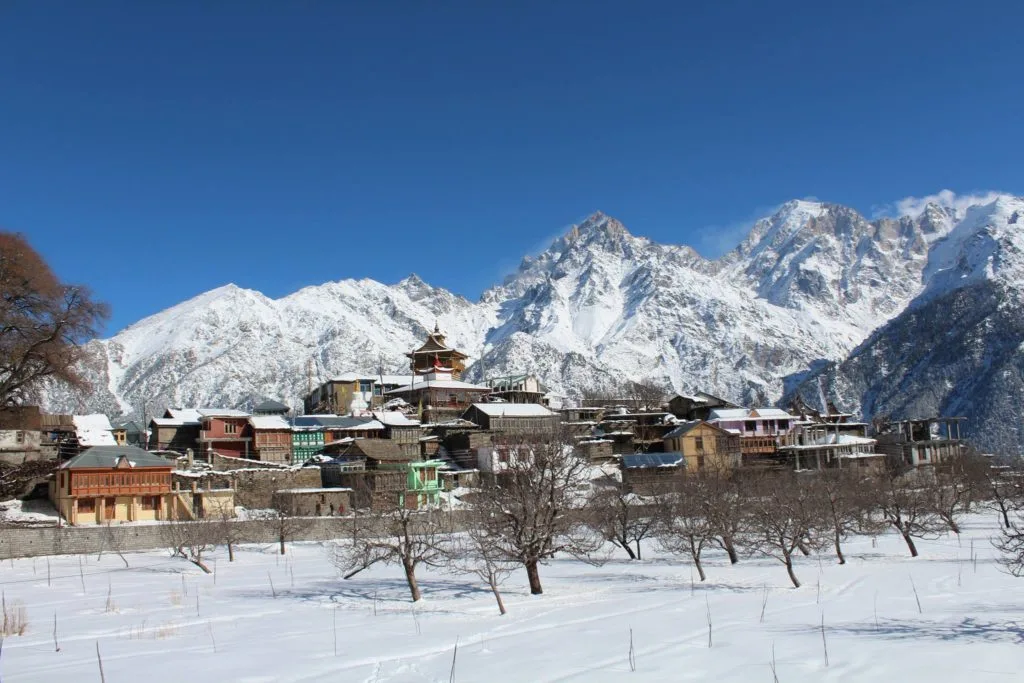
Firstly, begin your journey from Shimla. This colonial hill station still mesmerises with old-world charm. As you drive toward Kalpa, the landscape begins to move. Where pine forests end, and the gleaming Sutlej River carves its path beside you like a silver thread”. Then stop at Narkanda for breakfast and Rampur for lunch. But don’t stay too long. The Kalpa awaits with its dramatic views of the Kinner Kailash range. This gives dramatic views. And the infamous Suicide Point, a sheer drop that feels like the edge of the world.
Must spend the night in Kalpa. Where the air is crisp, and the stars feel closer than ever. This is your first taste of the place, so breathe deeply and rest well.
Day 2: Kalpa to Tabo
Then this is what you have to do on the second day. Wake early to catch the morning light on Kinner Kailash. Then go on a short stroll through Kalpa’s temples. After that, begin your drive toward Nako. The road winds through barren cliffs and quiet crossroads. You know? Each one more surreal than the last. At Nako, visit the lake that mirrors the sky and the monastery that murmurs with quiet loyalty.
From Nako, then head to Gue village to see the preserved mummy of a monk. This is a haunting reminder of time’s stillness in Spiti. Then by evening, reach Tabo. This remains home to a thousand-year-old monastery. Even that feels like stepping into a forgotten chapter of history. Your Spiti Valley itinerary now begins to feel less like a plan and more like a pilgrimage.
Day 3: Tabo to Dhankar
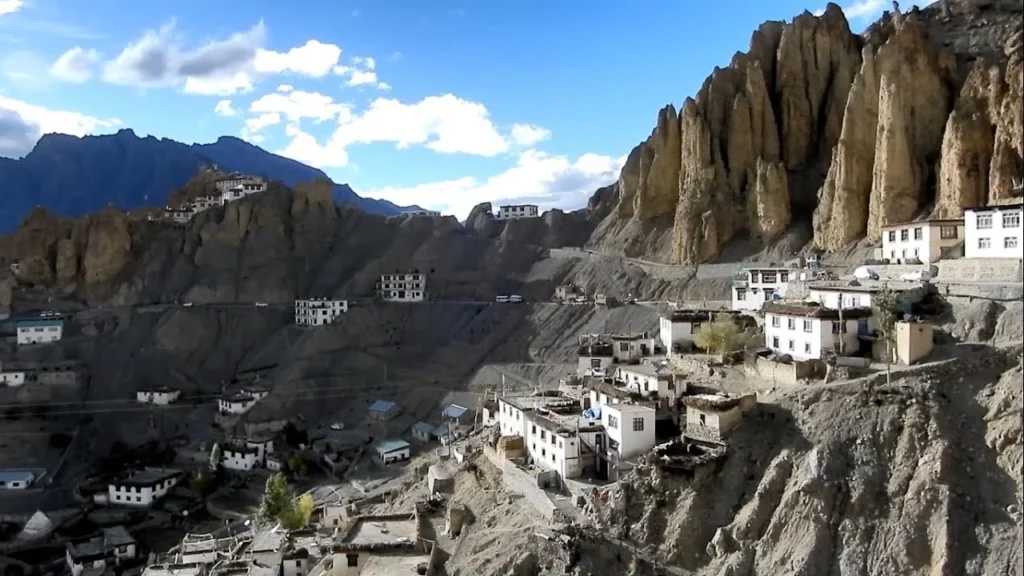
Here is the third day. Tabo’s caves and monastery deserve a slow morning. Let the silence goesinto your bones before heading to Dhankar. Perilously balanced on a cliff, Dhankar Monastery offers panoramic views of the Spiti and Pin rivers. If you’re up for a trek, then go on a hike to Dhankar Lake. It’s.a hidden gem surrounded by snow-capped peaks.
Alternatively, visit the lesser-known village of Mane Yogma for a quieter stay. The people here are warm, and the food is also simple. Even the night sky is filled with paintings of stars. So this day in your Spiti Valley itinerary is about choosing serenityover speed.
Day 4: Dhankar to Mud
This is for the fourth day. You just ventured into Pin Valley. It is a sanctuary of stark beauty and spiritual calm. The road to Mud village is spotted with prayer flags, grazing yaks and the occasional abbey. Then stop at Kungri Monastery. It is one of the oldest in the region, and let its chants guide you deeper into the valley.
Then this Mud village is the kind of place where time forgets to tick. You can walk through its narrow lanes. Also, can speak to the locals, and let the silence do the rest. Even you can spend the night here, wrapped in wool blankets and wonder.
Day 5: Mud to Kaza
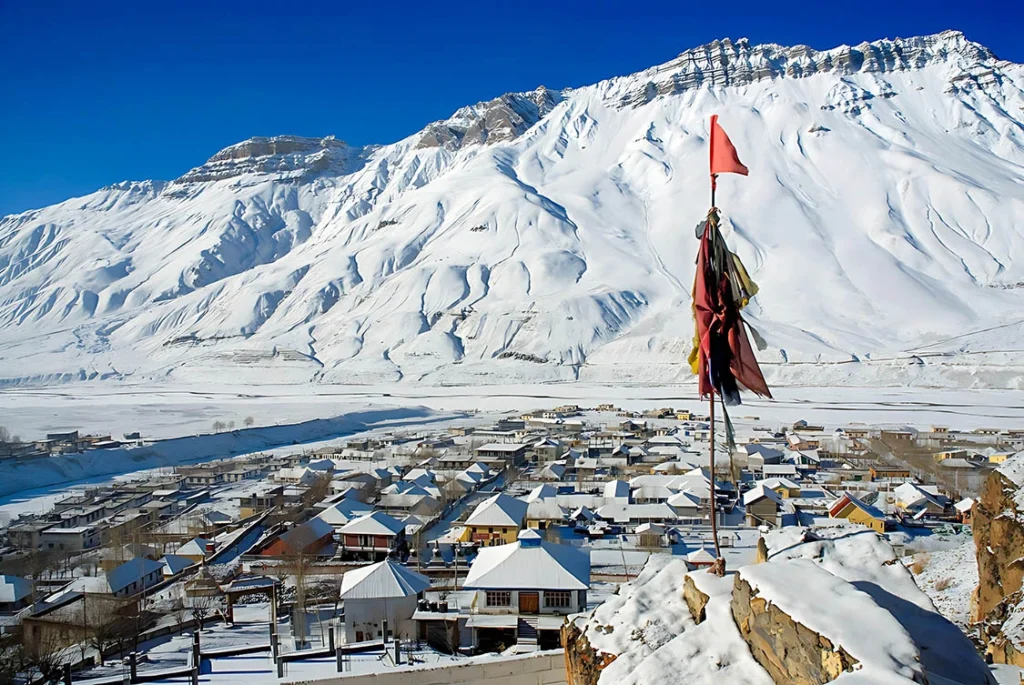
Coming to day five. Just have your breakfast in the morning. Then drive to Kaza, the directorial heart of Spiti. It’s a bustling town by Spiti standards. You can spot cafes, shops, and a sense of movement. Must visit the Kaza Monastery and then head to Langza, Hikkim, and Komic. These are the trio of villages that sit like guardians above the clouds.
The Langza is known for its giant Buddha statue and fossil-rich soil. The Hikkim boasts the world’s highest post office, where you can send post to anyone in the world. Then the Komic is one of the most inhabited villages in Asia. These stops in your Spiti Valley itinerary are not just geographical. They’re emotional high points you must visit once.
Day 6: Kaza to Chandratal
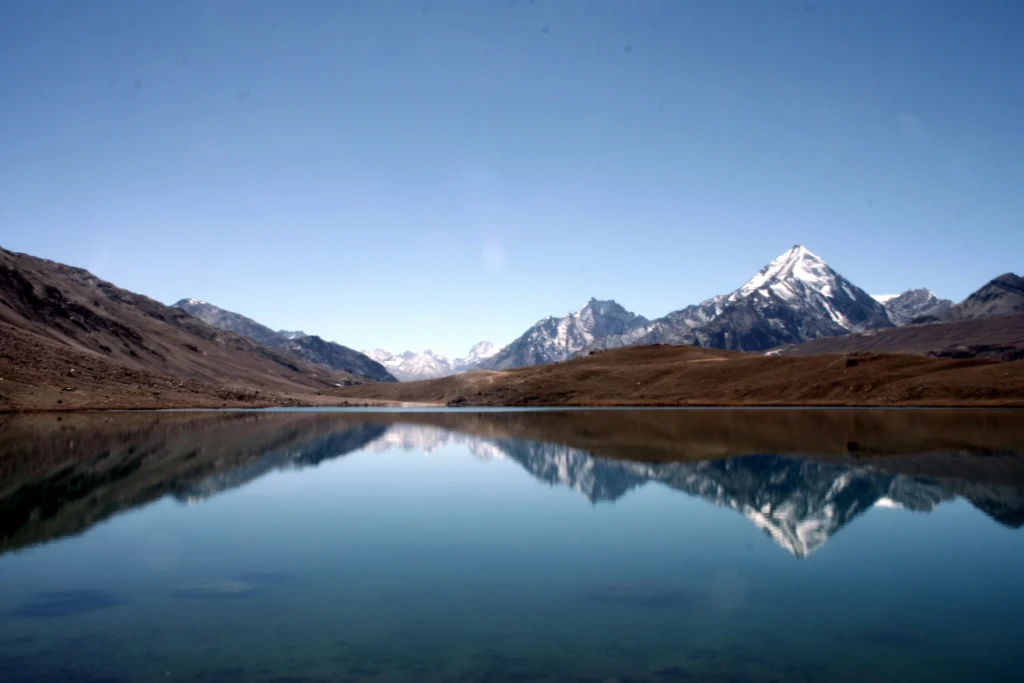
This is the last day of your trip. So start early and visit Key Monastery. It is a fortress of faith that clings to the mountainside. Then drive to Kibber, a village known for its wildlife and dramatic vistas. Then cross the Chicham Bridge, the highest suspension bridge in Asia. Then make your way to Kunzum Pass.
From there, go toward Chandratal Lake, the moon-shaped jewel of Spiti. Then camp by the lake if the weather permits. You may feel like the silence of the stars cradles you to sleep. This is the climax of your trip to Spiti Valley, which is a place where words fail, and wonder begins.
Conclusion
Here are the final thoughts. A Spiti Valley itinerary isn’t just a travel plan; it’s a blueprint for your travel journey. It teaches you to slow down, to listen and observe. It just empties the noise and replaces it with wind, prayer, and stone. You’ll return with photographs and also with lots of memories.
Most importantly, this journey through Himachal’s cold desert is not for the faint-hearted. Because the roads are hard, the weather is unpredictable, and the comforts are few. But if you’re willing to go, this Spiti Valley itinerary will reward you with something special. So pack your bags, charge your camera, and clear your mind. Spiti is waiting not to impress you, but to change you